Economic and Social Impacts of COVID-19 on Mountain Communities
Lack of housing, escalating housing costs, and the impacts of short-term rentals were among the greatest concerns identified by residents from the biggest Colorado mountain communities in a recent study. The goal of the survey was to shed light on the economic and social impacts the COVID-19 fueled urban exodus has had on mountain communities.
Homes are Going for Above Asking Price
In Routt County, demand for housing continues to rise despite a lack of inventory. Cash sales for properties has increased, now making up over 50% of home purchases in Steamboat. Without the need for contingencies associated with a mortgage, cash buyers do not need the home to appraise for the contract price. As a result, homes are going for above asking price, making it more challenging for buyers who need a loan to make a purchase.
Local Workers Struggle to Find Properties
The study found that residents working for out of county employers earned more than those employed locally. As a result, local workers struggle to compete with the location-neutral workforce for properties.
Recently, the Steamboat Springs City Council enacted a 90 day moratorium on applications for vacation home rental permits. They also changed an outdated code requirement to allow five unrelated people to live in a single unit, up from three. “We’ve got a lot of people and businesses looking for employees and a lot of employees looking for housing. That housing is very limited,” said Jason Peasley, executive director for the Yampa Valley Housing Authority.
Sunlight Crossing to Provide 90-Units
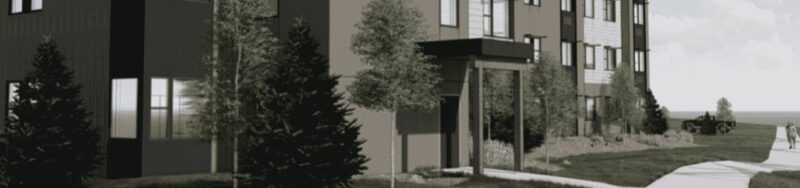
The YVHA is currently building their latest affordable housing development, Sunlight Crossing. Despite an unprecedented surge in construction costs, the 90 unit project is still on schedule for completion in late 2022.
“We were able to lock in many of our contracts last fall and over the winter, so while we experienced some increases in costs over our anticipated budget, we’ve been able to keep the project moving ahead on time,” said Kimble Crangle, from developer Gorman and Company. The development consists of studios, one-, two, and three-bedroom configurations, priced for residents who earn 80% to 120% of the average median income.
Eventually, mountain communities may need to continue to shift expenditures focused on visitor experience and tourism marketing to complete capital projects supporting livability, quality-of-life improvements, and more affordable housing.